
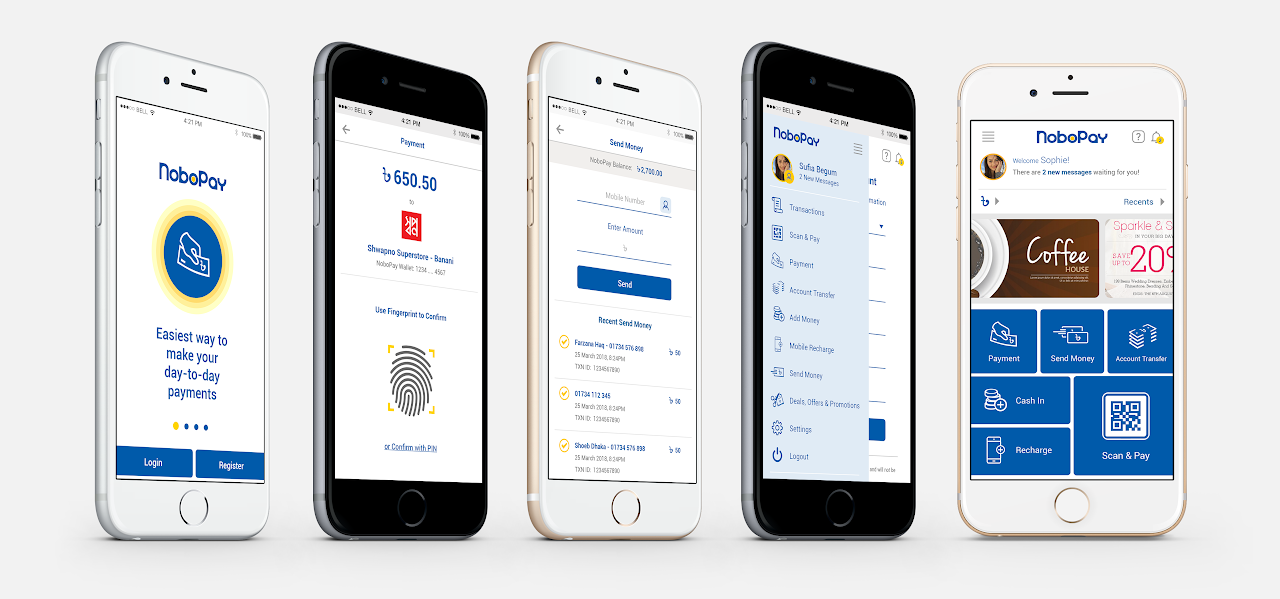
The challenge
The client planned to introduce a smartphone wallet to users of an established SMS-based financial service. The first assumption was that the existing rural customer base should also be the first app audience.
That assumption carried real risk: many intended users had limited access to suitable devices, unreliable internet connections, and little familiarity with screen-based payment patterns.
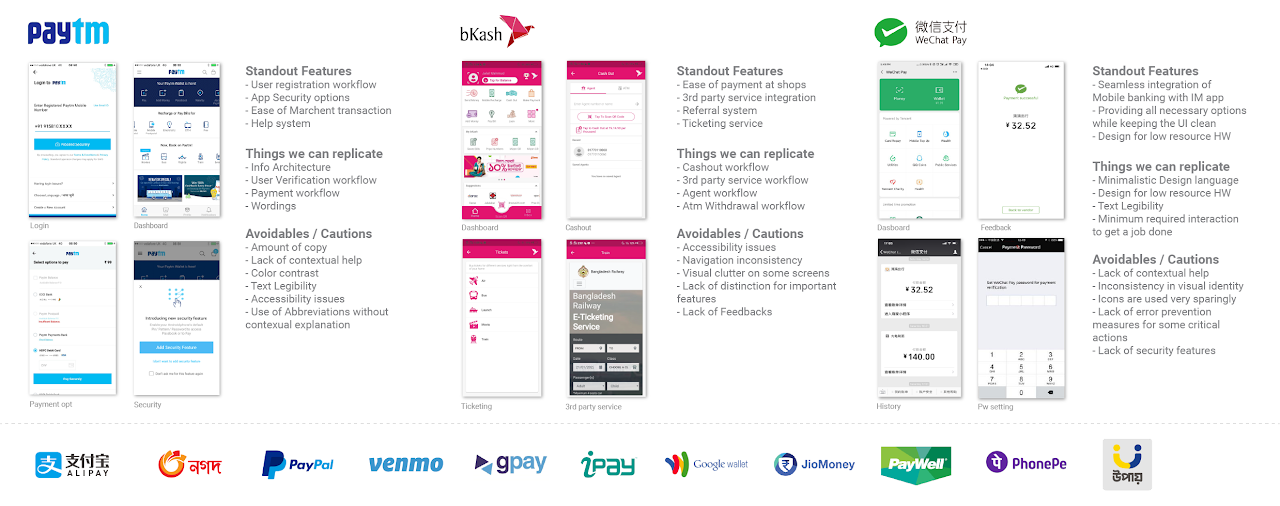
What we did
We combined stakeholder research, customer-support insight, regulatory and security discussions, competitive benchmarking, a short design sprint, and paper-prototype testing. The team tested registration, identity verification, adding money, paying, transferring funds, and cashing out.
The evidence showed that aiming the first release at the broadest existing audience would make the product harder for people to start using. We recommended beginning with urban smartphone users, while keeping the product light and understandable enough to reach a wider audience later.
The value created
We helped the client avoid designing its first release around an audience that was not yet ready to adopt it. That decision gave product, business, design, and development teams a shared launch direction before major implementation work began.
- A realistic first audience, supported by research rather than assumption
- Tested steps for the product’s highest-risk payment tasks
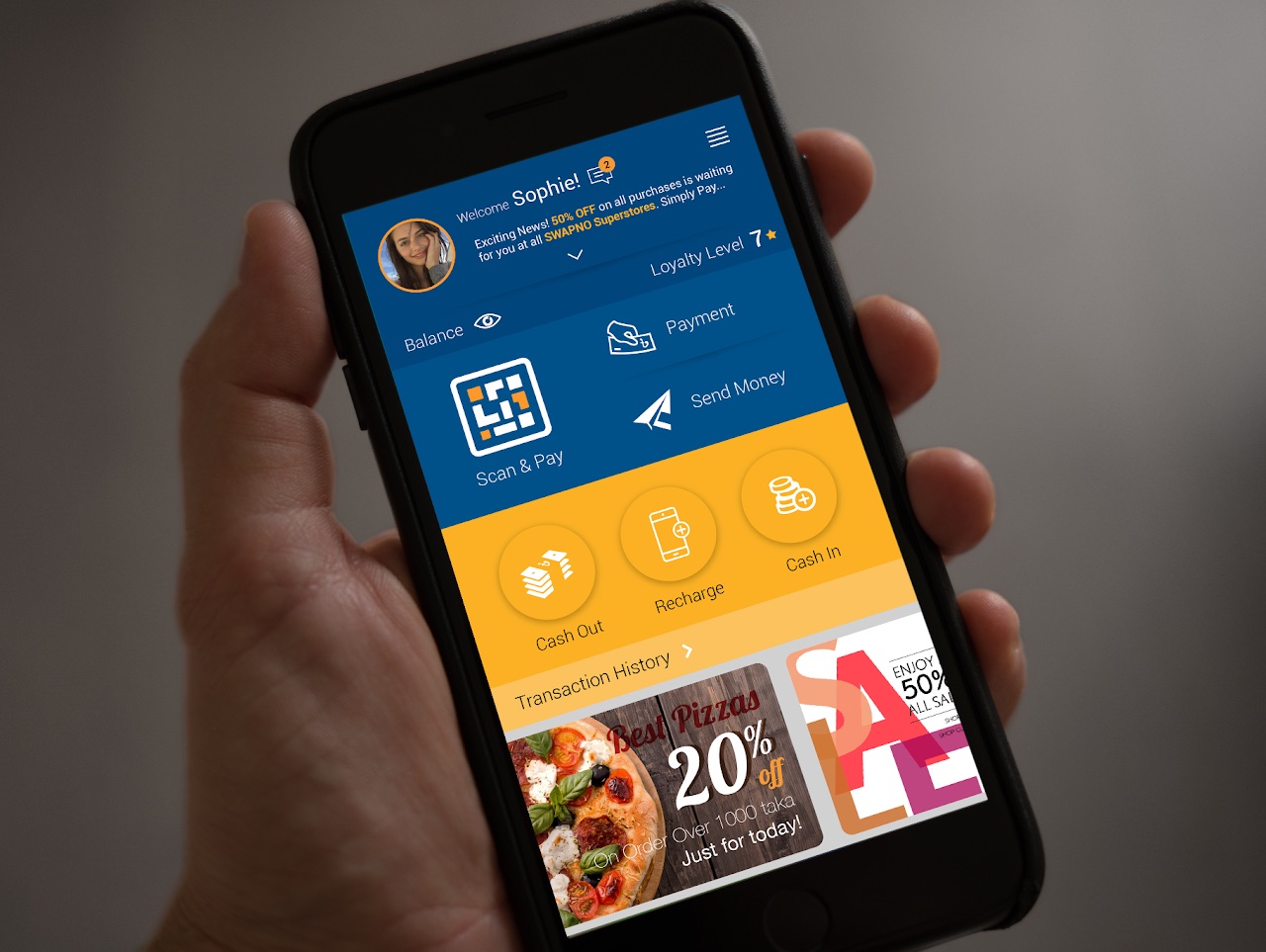
- A consistent product identity, interface, and clear guidance for development
- A foundation designed to reach more people on modest devices
The application was later released as SureCash by Progoti Systems. Its public Google Play listing shows more than 500,000 downloads; the current product has evolved visually since the NoboPay design shown here.