

The challenge
An assistive device must do more than demonstrate promising technology. It must be comfortable enough to wear, reliable in everyday conditions, understandable without sight, and credible to the people deciding whether to support its development.
Sedris Vision needed its hardware, product, user, and funding decisions to support one another rather than develop as separate pieces of work.
What we are contributing
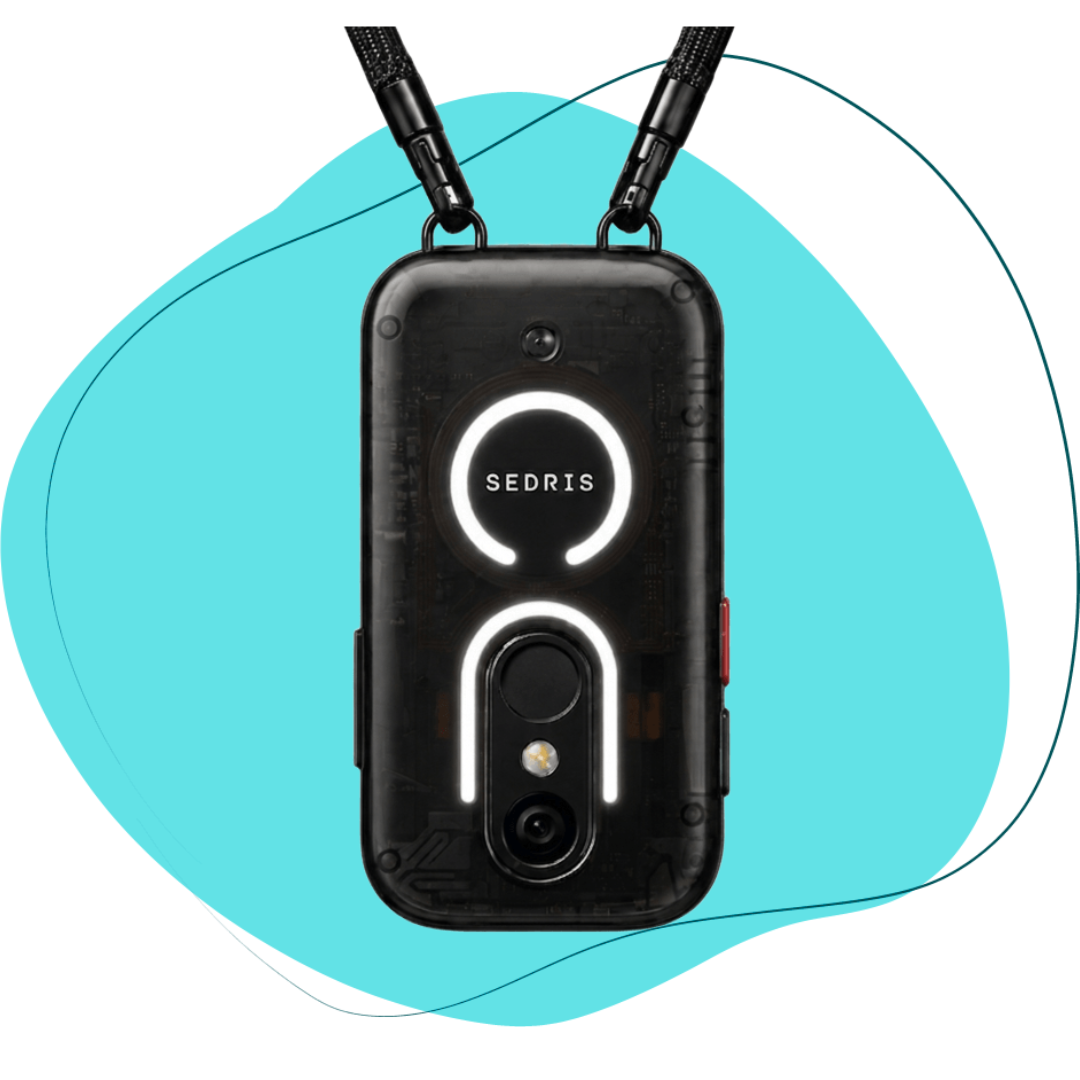
SkalaDesign has worked closely with the founder across electronics-development support, casing design, hardware ergonomics, product features, and user-research guidance. We have also shaped the pitch deck and helped connect product evidence to multiple government-backed funding applications.
That close collaboration makes it possible to test a feature against several realities at once: what users need, what the hardware can support, how the device should be worn, and how the product’s value can be explained to partners and funders.
The value being created
We are helping Sedris Vision move from a compelling technical idea towards a coherent product that users, development partners, and funders can understand. The result is not one isolated design deliverable, but a stronger basis for deciding what to build next and why.
- Technical choices connected to real use and wearability
- A clearer feature direction for an assistive product
- Research guidance that strengthens product decisions
- A more credible pitch and funding narrative
“Sheikh connects product, user and technical decisions in a way that has been invaluable as we move Sedris Vision forward.”
Ankur Phutela · Founder, Sedris Vision ↗
Sedris Vision publicly presents its product and beta programme and lists support from Berlin Startup Stipendium, AI NATION, and Campus Founders.